
Leesburg, Ohio
Drone Wildlife Surveys vs. Helicopter Surveys: How We Counted 133,000 Geese Across Ohio
zander parshall • June 24, 2026
Drone Wildlife Surveys vs. Helicopter Surveys: How We Counted 133,000 Geese Across Ohio
Drone Wildlife Surveys vs. Helicopter Surveys: How We Counted 133,000 Geese Across Ohio
When Ohio's annual Canada goose population survey was at risk of not happening this spring, our team stepped in with drones and delivered a statewide estimate that wildlife managers could actually use. Here's what happened, what the data showed, and what it means for the future of drone-based wildlife surveys.
Why Drones Replaced the Helicopter This Year
The Ohio Division of Wildlife conducts annual waterfowl surveys to track Canada goose populations across the state. This spring, a helicopter wasn't available to complete the surveys. Rather than go without data for the year, wildlife researchers reached out to us to see if drone technology could fill the gap.
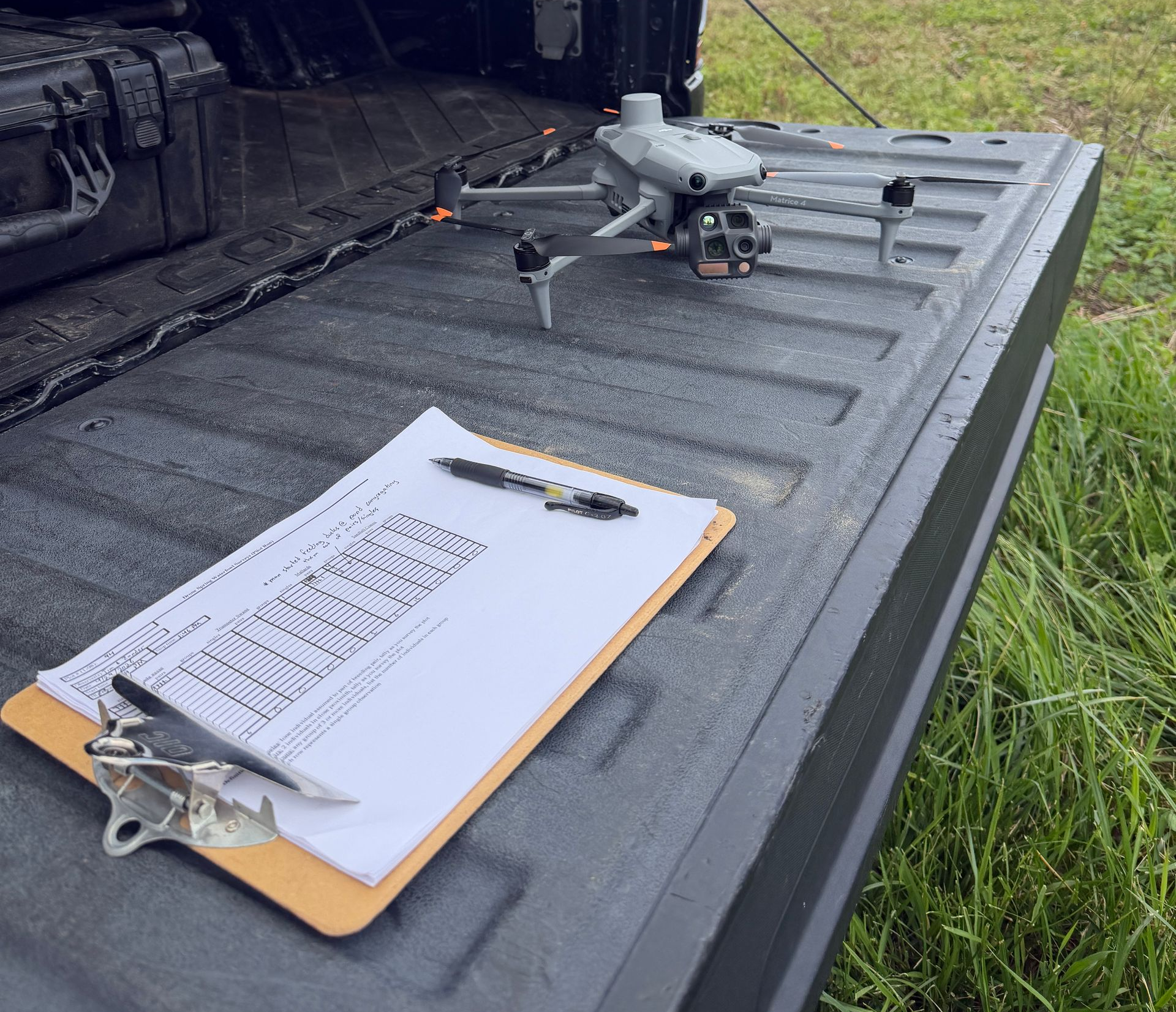
We flew 30 stratified survey plots across Ohio, covering both high-density and low-density goose habitat zones. The goal was to generate a reliable wildlife population estimate using UAVs in place of traditional manned aircraft.
What the Drone Survey Data Revealed
After processing the aerial survey data, the population estimate came back at 133,061 Canada geese in the state of Ohio this spring.
For context, ODW helicopter surveys over the past five years have ranged from approximately 60,000 to 80,000 geese annually. While our drone-based estimate is higher, it falls well within the range of historical helicopter surveys, which peaked near 150,000 geese back in 2011.
Drone Surveys vs. Helicopter Surveys: Breaking Down the Difference
The higher estimate raises a fair question: is the difference a sign that drones detect more, or is it just natural variation in the population?
The honest answer is that it's likely both, and further research will help sort that out. A few factors are worth understanding:
Sample size. We flew 30 plots compared to the ODW's typical 160. A smaller sample introduces more variance into the estimate, which is a known limitation of this particular survey.
Low-density habitat detection. The low-density strata, which covers most of Ohio, drove the estimate significantly higher than previous years. One likely explanation is that drones are detecting geese in low-density areas that helicopter surveys historically undercounted. At lower flight altitudes with stabilized camera systems, UAVs may simply be picking up more birds in sparse or fragmented habitat than a helicopter passing at higher speeds can capture.
Natural population variation. Canada goose populations do fluctuate year to year. Some portion of the difference may reflect real changes in the population, not a methodology gap.
The key takeaway is that drone-based wildlife surveys produced a credible, usable population estimate that was consistent with long-term historical data, even with a reduced number of plots.
Why Drone Wildlife Surveys Are Worth Taking Seriously
This project is a strong example of what professional drone wildlife surveys can offer:
- Cost efficiency compared to helicopter operations and pilot hours
- Flexibility to deploy quickly when traditional methods aren't available
- Potentially improved detection in low-density or hard-to-access habitat
- High-resolution imagery that can be reviewed and audited after the fact
- Scalability for both small private properties and large statewide programs
Drone technology isn't a wholesale replacement for every wildlife monitoring method, but projects like this one demonstrate that UAVs belong in the toolkit alongside traditional approaches.
What's Next
We'll continue to follow this research as feedback comes in from the ODW. Our hope is that this spring's survey helps open the door to broader conversations about incorporating drone-based wildlife surveys into annual monitoring programs across Ohio and beyond.
If your organization, agency, or property is interested in drone wildlife surveys, aerial population monitoring, or thermal wildlife detection, we'd be glad to talk through what's possible.
More Marketing Tips, Tricks & Tools
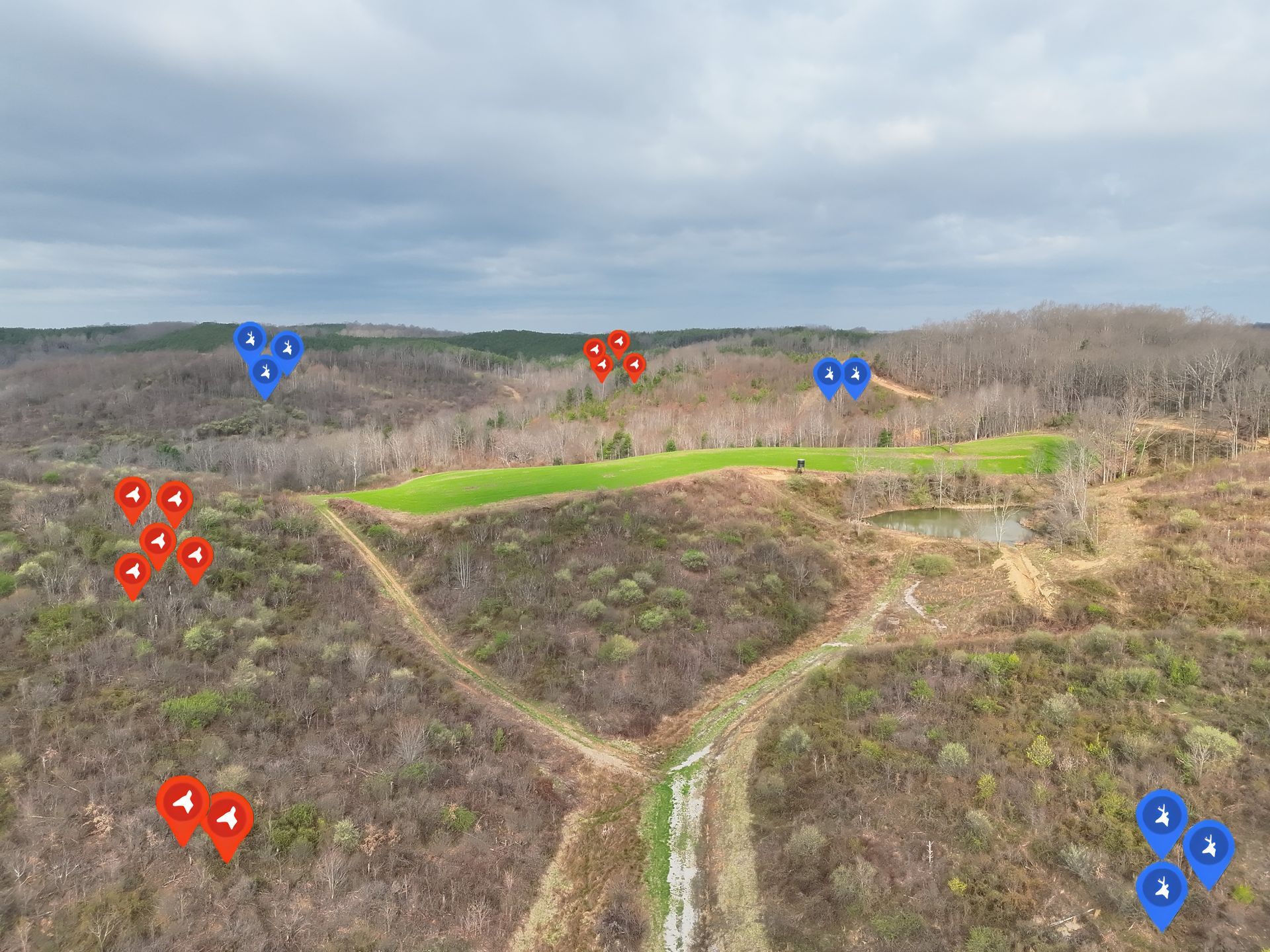
Elite Deer Recovery completed a thermal drone deer survey in Cincinnati, Ohio, helping a Midwest nature center collect deer population data for habitat protection, conservation planning, and wildlife management.

Elite Deer Recovery & Kirksville Drone Services Heading to the 2026 Open Season Sportsman’s Expo
Elite Deer Recovery Offers Game-Changing Tools for Serious Hunters
We’re putting out cameras and mineral sites to get ready for deer season. Follow along as we prepare for a busy year tracking bucks and managing herds.
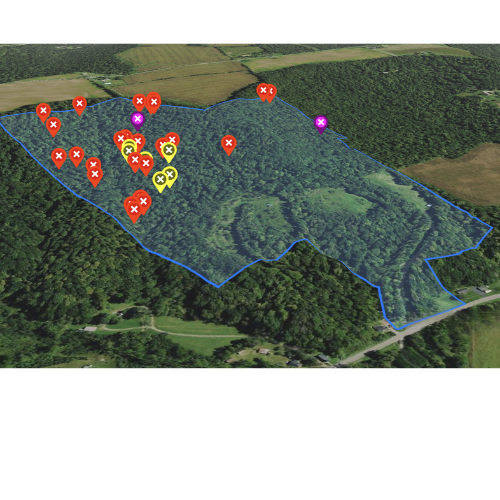
Elite Deer Recovery mapped 5,000 acres across Ohio in 2025. 25 custom property maps helping hunters and landowners plan for success.
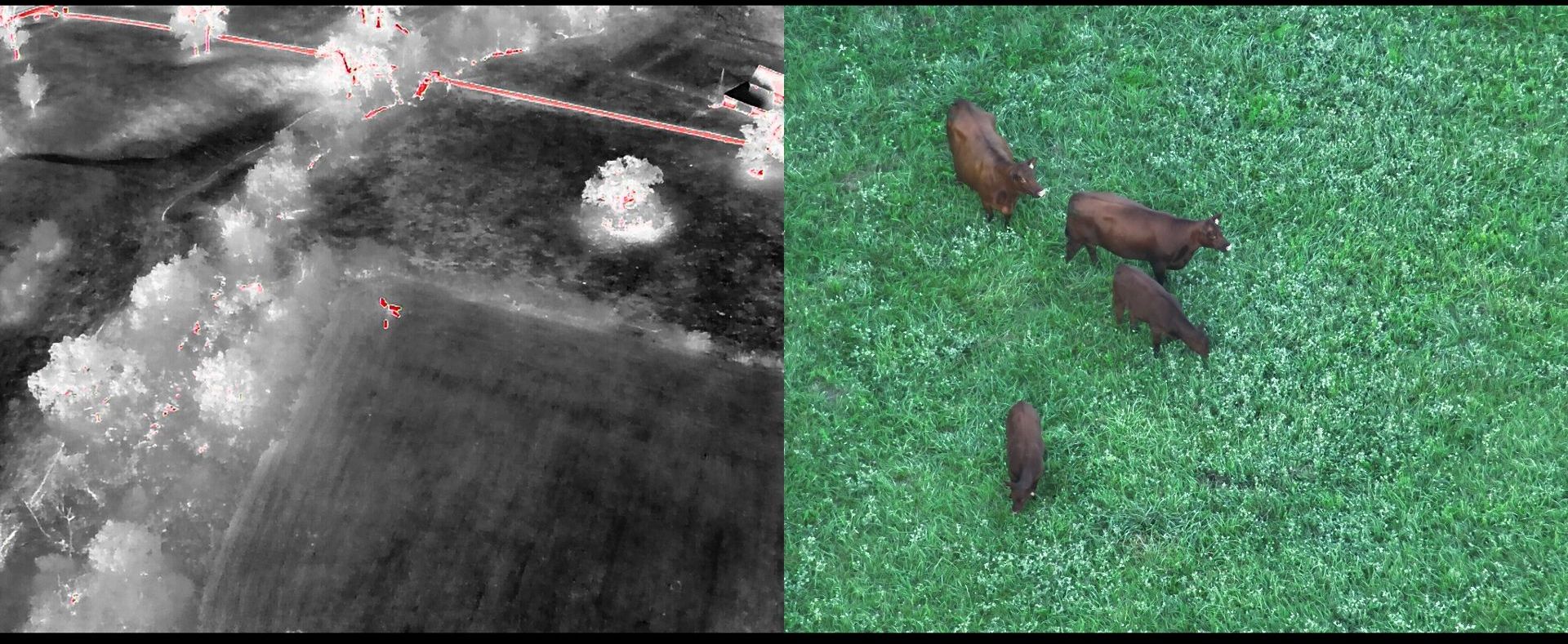
Locate lost livestock fast with thermal drones. We use advanced technology to track and recover cattle, horses, and more—day or night.